Heat-Resistant Coatings for Industrial Buildings: A Complete Guide
Industrial buildings are constantly exposed to extreme conditions—high temperatures, chemical exposure, UV radiation, and mechanical stress. Without proper protection, these factors can degrade surfaces, reduce structural integrity, and increase maintenance costs. Heat-resistant coatings offer a reliable solution to safeguard industrial infrastructure while improving efficiency and longevity.
What Are Heat-Resistant Coatings?
Heat-resistant coatings are specialized materials designed to withstand elevated temperatures without breaking down, cracking, or losing adhesion. These coatings act as a protective barrier on surfaces such as steel, concrete, and machinery, preventing heat damage and corrosion.
They are commonly formulated using silicone resins, epoxy, or ceramic-based compounds, each offering varying levels of thermal resistance depending on the application.
Why Industrial Buildings Need Heat-Resistant Coatings
1. Protection Against High Temperatures
Industrial facilities such as manufacturing plants, refineries, and power stations often operate under intense heat. Coatings designed for high-temperature resistance prevent structural materials from weakening or deforming.
2. Corrosion Prevention
Heat and moisture together accelerate corrosion, especially in metal structures. Heat-resistant coatings often include anti-corrosive properties that extend the life of assets.
3. Energy Efficiency
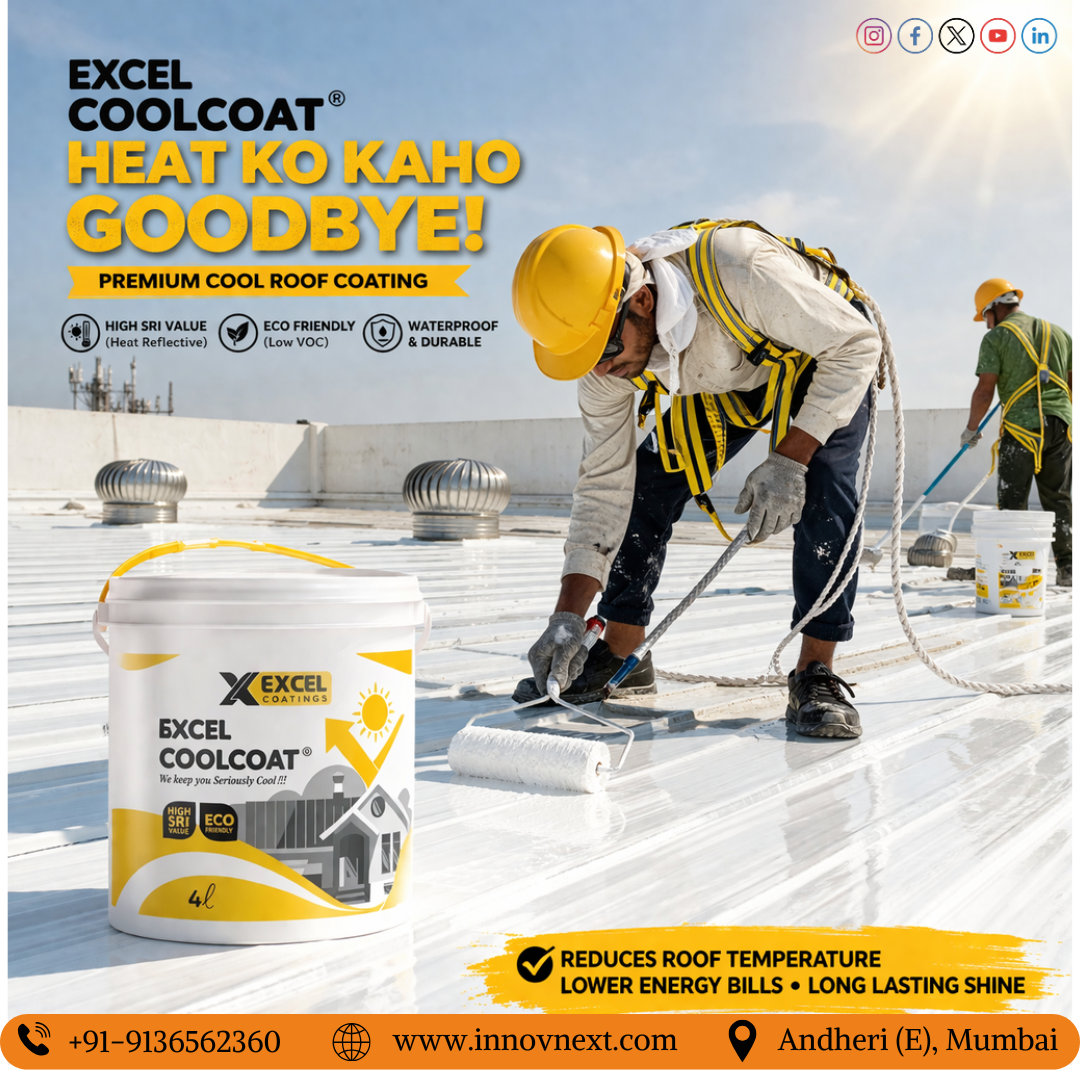
Reflective heat coatings can reduce heat absorption, helping maintain stable indoor temperatures. This reduces reliance on cooling systems and lowers energy costs.
4. Safety Enhancement
By limiting surface temperature and preventing material degradation, these coatings reduce fire risks and improve workplace safety.
5. Cost Savings
Though the initial investment may be higher, these coatings reduce maintenance frequency, downtime, and replacement costs over time.
Types of Heat-Resistant Coatings
Silicone-Based Coatings
- Withstand temperatures up to 600°C or more
- Ideal for exhaust systems, chimneys, and boilers
- Excellent weather resistance
Epoxy Heat-Resistant Coatings
- Suitable for moderate heat applications
- Strong adhesion and chemical resistance
- Commonly used on industrial floors and equipment
Ceramic Coatings
- Extremely high thermal resistance (up to 1000°C+)
- Provide insulation as well as protection
- Used in furnaces, kilns, and high-heat processing units
Intumescent Coatings
- Expand when exposed to heat, forming a protective char layer
- Primarily used for fireproofing structural steel
Key Applications in Industrial Buildings
- Steel structures and beams
- Storage tanks and pipelines
- Boilers and heat exchangers
- Roofing systems exposed to direct sunlight
- Manufacturing equipment and machinery
Factors to Consider Before Choosing a Coating
Temperature Range
Ensure the coating can handle the maximum operating temperature of the surface.
Surface Material
Different substrates (metal, concrete, etc.) require compatible coatings for proper adhesion.
Environmental Conditions
Consider exposure to chemicals, humidity, and UV radiation.
Application Method
Some coatings require specialized equipment or curing processes.
Maintenance Requirements
Choose coatings that offer durability with minimal upkeep.
Application Process
- Surface Preparation – Cleaning and removing rust, grease, or old coatings
- Priming – Applying a compatible primer if required
- Coating Application – Using spray, brush, or रोलर techniques
- Curing – Allowing the coating to set, sometimes under heat conditions
Proper application is crucial to achieving optimal performance and longevity.
Future Trends in Heat-Resistant Coatings
Advancements in nanotechnology and eco-friendly formulations are shaping the future of industrial coatings. Modern solutions focus on:
- Higher thermal tolerance
- Reduced environmental impact
- Improved energy efficiency
- Smart coatings with temperature-responsive properties
Conclusion
Heat-resistant coatings are an essential investment for industrial buildings operating in demanding environments. They not only protect structures from extreme temperatures but also enhance efficiency, safety, and cost-effectiveness. By selecting the right type of coating and ensuring proper application, industries can significantly extend the lifespan of their assets while optimizing performance.
Whether you’re upgrading an existing facility or constructing a new one, incorporating heat-resistant coatings is a smart, future-ready decision.